Philadelphia Electrical Contractor for Residential and Commercial Services
Philadelphia Electrical Contractor for Residential and Commercial Services
Blog Article
Skilled Electrical Contractor for Reliable Setups and Repairs
Across the landscape of electrical work, a seasoned contractor plays a core role in ensuring both secure installations and repairs. Their expertise not only guarantees adherence to safety standards but also fosters a sense of trust with clients. By evaluating paramount qualities, such as experience and listening skills, one can identify the right professional for the job. Understanding these factors can greatly impact the success of any electrical project, prompting further analysis into the selection process.
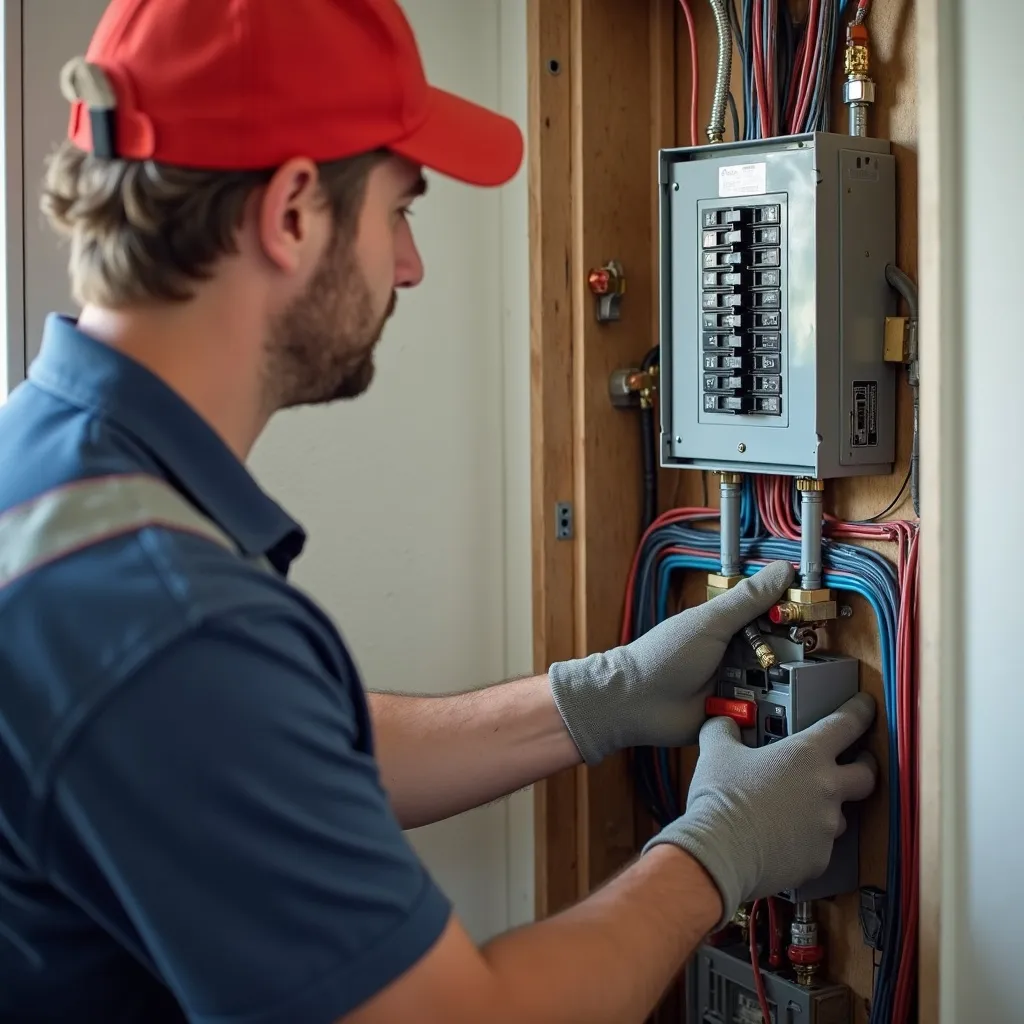
Important Qualities of a Reputable Electrical Contractor
When selecting an electrical contractor, it is essential to pinpoint the critical qualities that foster trustworthiness. A dependable contractor should possess appropriate credentials and coverage, confirming compliance with local regulations and mitigation of potential liabilities. Experience in the discipline is another significant factor; seasoned contractors are more capable of handling diverse electrical problems and understanding complex systems.
Additionally, proficient interaction skills are significant, allowing contractors to outline processes and tackle client concerns transparently. A credible service professional also displays integrity, presenting straightforward pricing and eliminating additional fees. Moreover, positive testimonials and previous client feedback can function as indicators of dependability and superior quality. Finally, a dedication to professional growth reflects a contractor's focus on keeping informed of current industry regulations and modern solutions, which is essential for delivering secure and skilled electrical services. These qualities collectively form the foundation of a trustworthy electrical contractor.
How can You assess if Your Electrician Is qualified?
Confirming an electrical worker's qualifications is an crucial step in ensuring quality and safe electrical services. To begin with, homeowners should request the electrical contractor's documentation, which proves they meet city and territorial requirements. Confirming coverage protection is equally critical, as it protects homeowners from legal exposure should accidents. Additionally, seeking out certifications from recognized groups may point to technical expertise and proficiency.
Homeowners can also ask about the electrician's background in specific types of electrical work relevant to their requirements. Reading feedback and client testimonials from previous clients provides insights into the electrician's reliability and expertise. Additionally, open discussion can demonstrate the electrician's ability to explain their credentials and methodology to the assignment. By following this process, homeowners can guarantee they hire a qualified electrician capable of delivering safe and effective electrical solutions.
Why Experience Counts for Electrical Contractors
Experience plays an essential role in the success of electrical contractors. A tested skill set, commitment to safety compliance standards, and strong problem-solving expertise are all traits of seasoned professionals. These attributes not only enhance the work quality but also guarantee a more secure environment for clients.
Tested Skill Set
A skilled electrical contractor brings a wealth of knowledge that significantly impacts the quality and safety of electrical projects. Their demonstrated abilities includes a range of competencies, including troubleshooting, installation, and upkeep of electrical systems. Experience allows them to rapidly pinpoint problems and implement effective solutions, minimizing downtime and guaranteeing peak performance. Additionally, seasoned contractors are well-versed with the newest innovations and industry advancements, enabling them to offer contemporary approaches customized to specific customer requirements. Their practical background also provides them with the technical understanding necessary to manage complex electrical codes and regulations. Ultimately, an seasoned electrician expert improves the reliability of repairs and installations, establishing trust and confidence among customers.
Safety Regulatory Standards
Mastering the complex landscape of safety compliance standards requires a deep understanding and practical knowledge that only seasoned electrical contractors possess. These professionals are well-versed in local, state, and national regulations, ensuring that all installations and repairs adhere to the highest safety protocols. Their experience allows them to anticipate potential hazards and implement preventative measures effectively. Moreover, grounding in industry standards, such as the National Electrical Code (NEC), is indispensable for maintaining compliance and safeguarding lives. A adept electrical contractor not only stresses safety but also executes thorough inspections to identify any discrepancies. This devotion to compliance not only lessens risks but also extends the longevity and reliability of electrical systems, ultimately benefiting clients and the broader community.
Problem-Solving Expertise
Handling intricate electrical issues requires keen problem-solving capabilities that seasoned electrical contractors provide. Their extensive background enables them to quickly diagnose issues and implement practical solutions, reducing downtime and maintaining safety. Compared to less experienced contractors, they have dealt with a wide array of situations, allowing them to foresee potential obstacles before they occur. This foresight leads to efficient project execution and minimized costs for clients. Moreover, their knowledge of multiple systems and technologies allows them to adjust to developing industry standards efficiently. Ultimately, the problem-solving skills of experienced electrical contractors not only improve the quality of installations and repairs but also build confidence and reliability in their services. Experience is undoubtedly a valuable asset in this profession.
Why Open Pricing Structure Is Crucial
Why is open pricing necessary in the electrical service industry? Transparent pricing builds confidence between service providers and customers, ensuring transparency in financial expectations. When clients obtain thorough breakdowns that outline labor, materials, and possible extra costs, they can choose intelligently without the fear of surprise fees. This transparency fosters a favorable association and drives repeat business.
Furthermore, transparent pricing allows customers to evaluate services effectively, allowing them to select service providers who offer equitable and honest pricing. It reduces misunderstandings and conflicts, simplifying the work process. A respected electrical contractor who practices clear pricing demonstrates professionalism and accountability, reinforcing their dedication to quality service. Ultimately, openness in pricing not only enhances customer satisfaction but also contributes to a contractor's reputation in a challenging market, leading in sustained success.
What You Should Know About the Electric Contract Procedure
During the electrical contracting procedure, clients can expect a structured approach that starts with an initial consultation. This meeting allows the contractor to assess needs and discuss potential solutions. Following this, the installation and repair steps are executed with careful attention and adherence to safety protocols.
Initial Assessment Process
What should one anticipate when commencing the electrical contracting procedure? The initial consultation acts as a important step for the client and contractor alike. During this discussion, the contractor reviews the client's requirements, aims, and any specific needs for the project. They will assess the site, spotting potential challenges and advantages. Clients should be prepared to raise questions about timeframes, budget, and the contractor's credentials. The contractor generally offers insights into the latest tools and solutions that correspond with the client's vision. This stage often comprises detailed talks about compliance with local standards and safety rules. Ultimately, the initial consultation creates the foundation for a transparent working relationship, confirming both parties are in agreement before proceeding.
Installation and Repair Steps
After the first consultation concludes, the installation and repair procedure commences with a thorough assessment of the project criteria. The electrical contractor evaluates existing systems, identifies potential issues, and formulates a plan that outlines necessary materials and timelines. Following this assessment, the contractor gathers any required permits and licenses to guarantee compliance with local regulations.
Next, the construction or restoration work is accomplished, which may involve wiring, component placement, or equipment upgrades. Throughout the process, the contractor sustains ongoing dialogue with the client to address any apprehensions. After finalization, a last examination validates that everything complies with safety standards and operates as expected. The contractor provides guidance on maintenance and operation, reassuring the client has assurance in their electrical system.
Establishing Faith With Your Electrical Contractor
Building assurance with an electrician is important for ensuring a effective project outcome. This association nurtures open exchange, letting clients to voice their needs and concerns while contractors share expert advice and candid pricing. A contractor's prestige plays a vital role; confirmed qualifications, positive reviews, and past project references can markedly sway a client's belief.
Moreover, establishing specific expectations pertaining to timelines, costs, and responsibilities helps create a foundation of dependability. Consistent feedback throughout the project can increase confidence, as clients feel informed and involved.
Moreover, a honest contractor will be upfront about potential challenges and solutions, demonstrating integrity and professionalism. Ultimately, creating trust not only leads to better coordination but also guarantees that the electrical work is completed to the highest criteria, ensuring expert guide safety and satisfaction for all parties involved.
Often Asked Questions
What Kinds of Electric Solutions Do Contractors Typically Provide?
Electrical contractors typically provide offerings including electrical wiring setup, circuit repairs, lighting design, panel improvements, problem diagnosis, and maintenance. They also manage safety inspections, energy assessments, and can help with renewable energy system installations, ensuring adherence to regulatory standards.
What Steps Should I Take to Ready Myself for an Electrician's Visit?
To prepare for an electrician's visit, one should clear the work area, guarantee easy access to outlets and panels, gather pertinent paperwork, and list specific issues or questions to discuss during the appointment.
What Safety Measures Do Electrical Contractors Follow?
Electrical contractors stick to strict safety measures, including donning protective gear, guaranteeing correct tool application, following electrical codes, performing hazard evaluations, maintaining equipment, and applying lockout/tagout systems to avoid unintended power activation during work.
Do Electric Contractors Have Insurance and Bonds?
Yes, electrical contractors are usually warranted and backed. This warrants assurance against exposure and impairment during projects, delivering clients with peace of mind and shielding both parties involved in the binding contract.
What Should I Do During Electrical Disasters?
In case of electrical incidents, one must swiftly shut down the power, avoid any contact with water, and dial a certified specialist. Keeping yourself calm and maintaining personal safety remains paramount before professional assistance comes to your aid to resolve the issue.
Report this page