DeRidder Electrician for Home Electrical Improvements
DeRidder Electrician for Home Electrical Improvements
Blog Article
Trustworthy Electrician Solutions: Strengthen Your Home With Security
Trustworthy electrician work are important for maintaining a secure and effective living space. Residents often deal with different electrical issues that require professional attention. Knowing the importance of qualified technicians can shape choices about repairs and upgrades. As power infrastructures get older or run into problems, the necessity for professional support becomes more obvious. What should homeowners think about when picking a trustworthy electrical expert? The solutions may surprise you.
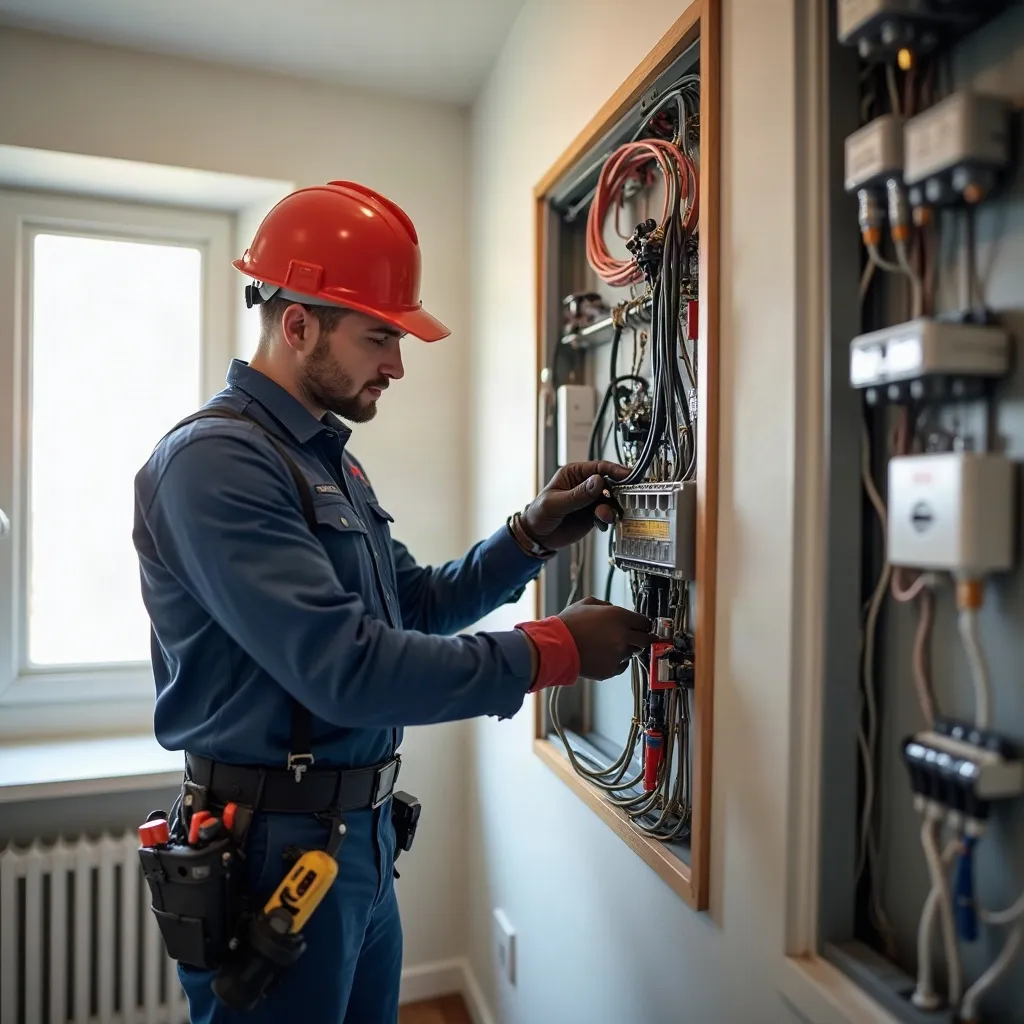
Why Trustworthy Electrician Services Are Essential
A reliable electrician operation is vital for guaranteeing safety and effectiveness in both residential and commercial locations. The criticality of retaining qualified professionals is paramount, as improper electrical activities can cause perilous situations, including fires and electrical injuries. Licensed electricians hold the essential training and expertise to spot issues and implement efficient solutions, consequently defending structures and inhabitants.
Furthermore, reliable support add to the long-term viability of electrical systems. Ongoing care and swift repairs hold small problems from becoming expensive crises. Additionally, seasoned electricians keep abreast with the latest codes and regulations, ensuring adherence and peak performance of electrical installations.
In a world increasingly reliant on electricity, stable systems provide peace of mind. Homeowners and business proprietors can focus on their tasks, confident that their electrical setups are in expert hands. Ultimately, investing in trustworthy electrical professionals strengthens both security and performance, rendering it a key element for every property owner.
Which Electric Difficulties Call For a Pro?
In regard to electrical problems, certain problems clearly indicate the need for professional intervention. Frequent breaker malfunctions, lights that flicker or dim, and old electrical wiring pose hazards and can lead to more substantial harm if not handled quickly. Recognizing these signs can assist homeowners make educated choices about the time to contact a professional.
Regular Safety Switch Interruptions
Frequent circuit breaker trips can point to underlying electrical issues that require professional attention. This frequent problem may show an overloaded circuit, where too many devices tap electricity simultaneously, straining the electrical system. In addition, faulty wiring or damaged circuits may lead to shorts, prompting the breaker to trip as a safety measure. Occasionally, a malfunctioning breaker itself may be responsible, requiring a replacement. Homeowners should also consider that older panels might not handle current power demands efficiently, posing safety risks. Overlooking these signs can result in more serious hazards, including electrical fires. Engaging a qualified electrician guarantees that these problems are correctly diagnosed and resolved, restoring safety and reliability to the home’s electrical system.
Lighting that Flicker Or Reduce in brightness
Flickering or dimming lights are frequently a indicator of electrical problems beneath the surface that require expert assessment. These signs can indicate loose wiring connections, which may result in additional problems if not handled quickly. Additionally, an overloaded circuit can cause lights to vary, indicating that the electrical system is having difficulty fulfilling the load. In some cases, a broken light fixture or bulb may be the culprit, but it is essential to rule out more serious issues. Homeowners should not ignore these indicators, as they can result in safety risks. Engaging a qualified electrician guarantees a comprehensive evaluation and secure fix, enabling a reliable and stable lighting environment. Prompt action can prevent potential safety risks and costly repairs.
Obsolete Electrical Setups
Obsolete wiring systems can pose significant dangers, as they typically fail to satisfy modern power requirements. Dwellings with antiquated electrical systems may encounter blackout events, flickering illumination, or even fire incidents due to overheating. Such systems might feature aluminum wiring or aged breaker boxes, which cannot manage the demand of contemporary appliances and technology. Moreover, aging systems may be deficient in grounding, amplifying the risk of shock or electrocution. Residents should be vigilant for signs of wear, like frayed wires or recurrent breaker trips of circuit breakers. Engaging a professional electrician is essential for assessing the integrity of the wiring and confirming that electrical safety standards are achieved, ultimately defending both the structure and its occupants.
Critical Requirements for Choosing an Electrician
When selecting an electrician, it is essential to reflect on several key qualifications that ensure safety and reliability. First and foremost, a valid license is critical; it establishes that the electrician has satisfied the required training and has the requisite expertise. Additionally, insurance coverage is vital, as it protects both the electrician and the homeowner from likely liabilities during the job. Experience also plays a considerable role; seasoned electricians are more likely to handle various situations effectively. Furthermore, knowledge of local codes and regulations guarantees compliance and safety. Certifications from reputable organizations can further validate an electrician's skills and commitment to ongoing education. Finally, effective communication skills are fundamental, as they facilitate a clear understanding of project requirements and expectations. By focusing on these qualifications, homeowners can make prudent decisions and confirm their electrical needs are met with confidence.
Evaluating Electrician Reviews
Assessing electrician reviews offers useful information into the dependability of services. Trustworthy feedback from previous customers can greatly influence choices. Examining service ratings helps potential clients identify the most trusted electrical professionals in their region.
Relevance Of Genuine Analysis
Building trust is essential when choosing qualified electrician services, and assessing reviews is necessary in creating that confidence. Reviews provide potential customers information about the experiences of previous clients, underscoring the strengths and weaknesses of various electricians. A set of positive feedback usually indicates a contractor's competence, quality of work, and dependability, while negative reviews may uncover red flags like poor communication or inferior service. It’s crucial to consider the context of these reviews, as individual experiences can differ considerably. By looking at diverse feedback, individuals can make smart decisions, ensuring they select a trustworthy electrician who meets their specific needs and expectations, ultimately protecting their home’s electrical integrity.
Evaluating Service Ratings
Analyzing service ratings is a vital step in choosing an electrical contractor who fulfills expectations. Prospective homeowners often rely on online reviews to assess the level of work provided by electrical professionals. These evaluations provide insights into reliability, expertise, and workmanship. A careful examination of favorable and unfavorable feedback can uncover patterns in an electrical contractor's performance, helping to identify advantages and disadvantages. It is essential to take into account the volume of reviews as well; a high rating based on numerous evaluations generally indicates consistent quality. Additionally, detailed feedback about timeliness, interaction, and ability to resolve issues can provide useful insight. By carefully evaluating customer reviews, property owners can choose wisely, guaranteeing they select a qualified professional for their electrical requirements.
The Positive Aspects of Engaging Qualified and Insured Electricians
When assessing electrical tasks, the necessity of engaging licensed and insured electricians cannot be overstated. Qualified electricians have undergone extensive training and education, confirming they are knowledgeable about current codes and safety requirements. This skill minimizes the risk of mishaps that could lead to hazards, such as fires or shocks.
Insurance serves a essential role in protecting both the homeowner and the electrician. Should an accident occur during the job, having insurance guarantees that any damages or injuries are protected, reducing financial burdens. Additionally, hiring certified experts often comes with the assurance of warranties on their work, providing peace of mind for homeowners.
Ultimately, selecting licensed and insured electricians enhances the safety and dependability of electrical services, fostering confidence in the work being performed. This choice not only secures the soundness of the home's electrical system but also ensures a more secure home setting for all occupants.
What to Prepare for During an Electrical Technician Visit
During an electrical assessment, property owners can expect a information thorough inspection of their electrical needs and concerns. The electrical specialist will usually begin by talking about any specific issues the homeowner has experienced, such as lights that flicker or insufficient power outlets. This dialogue allows the electrical professional to comprehend the background and priority of the situation.
After this, a comprehensive inspection of the property's electrical system will be performed, including the wiring, circuit breakers, and outlets. The electrician may also evaluate the overall safety of the electrical installations. Based on these observations, they will provide recommendations tailored to the homeowner's needs, which may include upgrades or repairs.
Homeowners should also expect to get helpful guidance on energy efficiency and regulatory safety. This consultation serves as a crucial step in establishing a clear plan for any necessary work, ensuring that homeowners feel informed and confident in their choices going ahead.
Cost Elements for Contracting Electricians
What elements influence the price of contracting an electrical contractor? Multiple factors are crucial in calculating the total cost. First, the difficulty of the job significantly affects rates; complex assignments such as rewiring or setting up new installations generally require more time and expertise. Additionally, regional setting may shape pricing, as cities typically see higher labor charges in comparison to remote regions. The electrician's experience and certifications also contribute to rates; more veteran professionals often demand increased charges due to their advanced expertise.
Equipment and materials needed for a project contribute to the total cost, especially if specialized or high-quality products are required. Moreover, the time of year can affect pricing and stock, with peak seasons sometimes causing higher prices. Property owners should consider these elements and secure multiple quotes to ensure they receive reliable service at a fair cost.
Frequently Requested Questions
How Do I Locate an Electrician in My Area?
To locate an electrician in the area, one should search online directories, ask for recommendations from friends or neighbors, and examine community feedback. Ensuring proper licensing and insurance is also crucial for safety and reliability.
What Actions Ought to I Take in an Electric Emergency?
During an electrical emergency, you should promptly shut down the power at the circuit breaker, stay away from water, and refrain from touching downed wires. Subsequently, contact a qualified electrician for support and safety inspection.
May I Conduct My Own Electric Repairs in a Legal Way?
In legal terms, individuals are able to conduct their own electrical repairs in many regions, though particular regulations and codes frequently apply. It is essential to grasp regional regulations and safety guidelines to prevent potential hazards and legal complications.
What is the typical duration for electrical jobs?
Electrical services typically last anywhere from a few hours to several days, depending on the scope of the task. Simple corrections may be quick, while installations or extensive rewiring can require significant time and planning.
What Protections or Coverage Do Electricians Present?
Electricians offer warranties on materials and workmanship, which may span one to several years. Protection may also cover craftsmanship, guaranteeing fixes meet specific standards, providing customers with confidence regarding their electrical systems.
Report this page